
- Polyethylene (PE) Granules27 products
- Polypropylene (PP) Granules10 products
- Polystyrene (PS) Granules4 products
- Polycarbonate (PC) Granules2 products
- Polymer Compounds3 products
- ABS Granules2 products
 Masterbatch1 product
- PET Resin (Bottle Grade)3 products
- Textile & Packaging Products1 product
- Rabin Recycled & Compound Granules4 products

Alongside polymers, Rabin Polymer supplies textile and packaging products used by the plastics and agricultural industries.
• Hessian (Jute) Cloth – natural jute fabric for sacks, bale wrapping and agricultural use.
Need a price? Send the grade, quantity and destination via WhatsApp +98 912 640 4020 or our enquiry form – we usually reply within one business day.
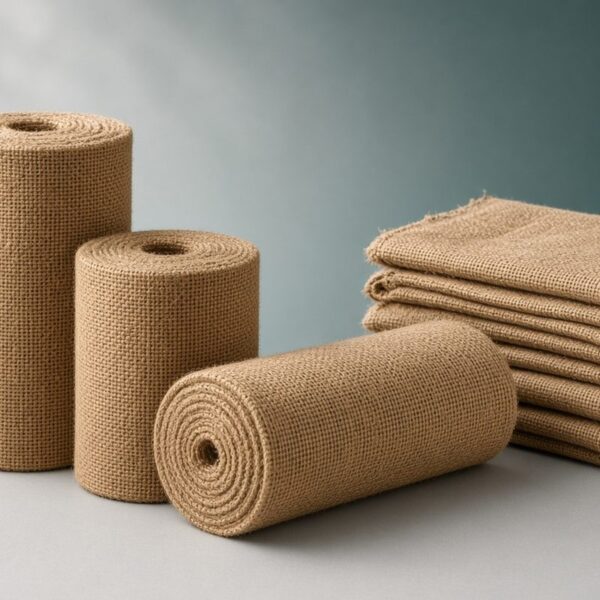
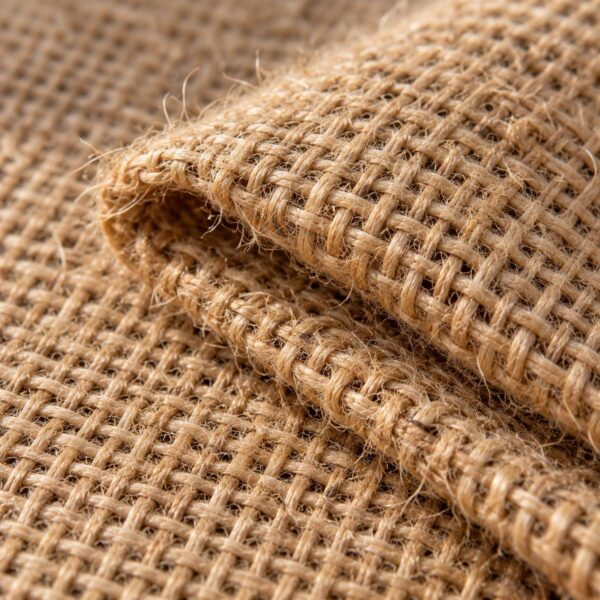
Hessian (Jute) Cloth
Natural jute hessian cloth in rolls and cut pieces, and bardana sacks, for grain, sugar and cotton packing – weight, width and sack size confirmed per order.
Hessian cloth and jute bags (bardana)
Hessian is a woven fabric made from jute fibre. In Pakistan, jute sacks are called bardana and are used mainly for wheat, plus rice, sugar, potatoes and other crops. Government wheat procurement is the biggest buyer, and the local mills depend on imported raw jute, almost all of it from Bangladesh. Hessian cloth is also used for wrapping cotton bales, as carpet backing and in agriculture and construction.
Typical specifications
- Fabric weight: about 7 to 12 oz per square yard
- Construction (porter × shots per inch): 10 × 10, 11 × 12 and similar
- Width: about 36 to 72 inches
- Form: rolls, cut pieces or sewn sacks
These are trade ranges. Width, weight, construction and sack size are confirmed for each order.
Jute or PP woven sacks?
Jute breathes, so grain stored for months is less likely to sweat and spoil. It is biodegradable and gives a good grip when sacks are stacked high. PP woven sacks are lighter and cheaper per bag and resist water better. Many buyers use both, depending on the crop and the storage time. If you make PP sacks, see PP raffia.
How to order
Tell us what you pack, the fill weight per sack (for example 50 or 100 kg), the fabric weight and width you use now, and your monthly quantity. We confirm the construction and sack size before the order. Hessian can travel in the same container as polymer granules.
Product page: Hessian (jute) cloth.
The jute market in Pakistan
Pakistan’s jute mills make sacking and hessian cloth from imported raw jute. Sacking is the larger share; hessian cloth is a smaller but steady product used for wrapping and bags. Demand peaks around wheat procurement each spring, when government food departments buy large numbers of new sacks. Import duties on jute products are reviewed each budget, so check the current rate before you order.
Quality points
- Fabric weight and construction should match the order; weigh a few metres from each roll.
- Check for oil stains and weak spots, especially in sacks for food.
- Store dry. Jute absorbs moisture and can develop mildew in damp warehouses.
Ordering and delivery
Material leaves Iran in the producer’s original bags on pallets. Buyers in Pakistan can receive it by sea through Karachi or Port Qasim, or by road through Taftan. Route, packing and Incoterm are agreed order by order, because they depend on quantity, city and timing. Each shipment comes with a commercial invoice, packing list and certificate of origin.
For a rate, send the grade, the quantity and your city on WhatsApp or through the enquiry form. We reply within one business day.
Questions buyers ask
Do you supply printed sacks?
Ask us with the print design and quantity. Plain sacks and cloth are the standard supply.
Can hessian be used for food grain?
Yes, that is its main use in Pakistan. For direct food contact, ask for batch-oil-free (food-grade) jute.


