
- Polyethylene (PE) Granules27 products
- Polypropylene (PP) Granules10 products
- Polystyrene (PS) Granules4 products
- Polycarbonate (PC) Granules2 products
- Polymer Compounds3 products
- ABS Granules2 products
 Masterbatch1 product
- PET Resin (Bottle Grade)3 products
- Textile & Packaging Products1 product
- Rabin Recycled & Compound Granules4 products


PP fibre and filament grades are homopolymers with a controlled, narrow molecular weight distribution for stable spinning. They are used for continuous filament, staple fibre, spunbond non-woven, carpets and ropes.
• PP Z30S – high-flow homopolymer (MFR ≈ 25) for BCF, CF and staple fibre at medium to high spinning speeds.
• PP 552R – high-flow homopolymer with anti-gas-fading for nonwovens (hygiene, medical), CF, BCF and fine-denier staple fibre.
Need a price? Send the grade, quantity and destination via WhatsApp +98 912 640 4020 or our enquiry form – we usually reply within one business day.
Both grades are prime, virgin PP fibre dana for spinning and nonwoven lines, with the rate given CFR Karachi.
PP 552R – Fibre & Filament Grade
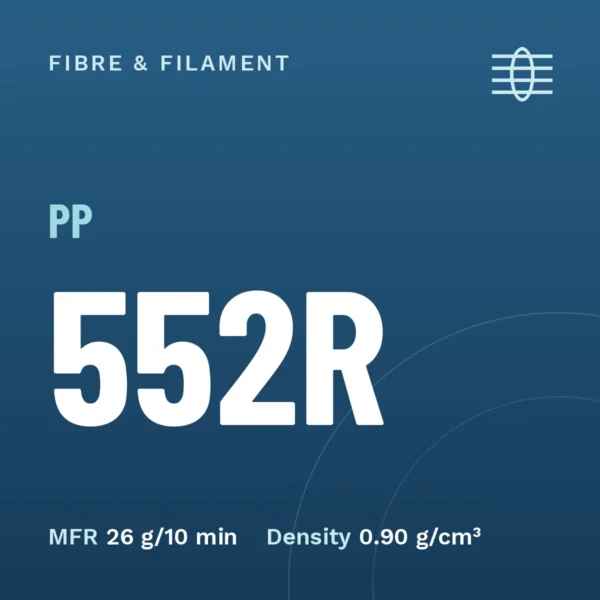
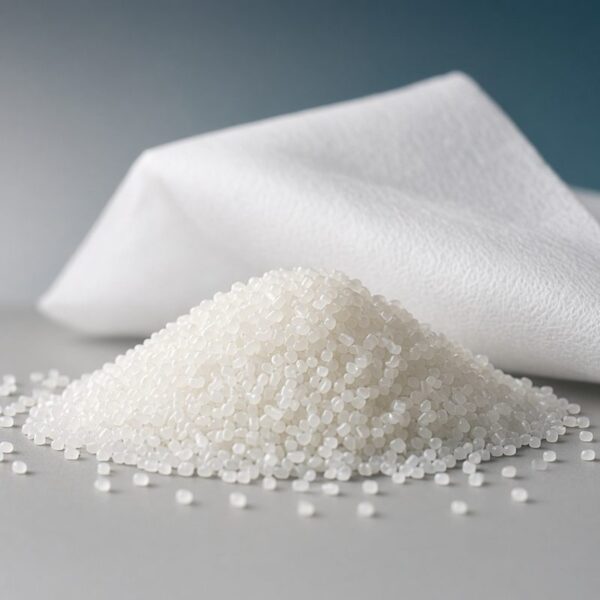
PP 552R is a high-melt-flow homopolymer for CF, BCF and fine-denier staple fibres, with excellent anti-gas-fading properties.
- MFR 26 g/10 min 230 °C / 2.16 kg
- Density 0.90 g/cm³
- Process Fibre
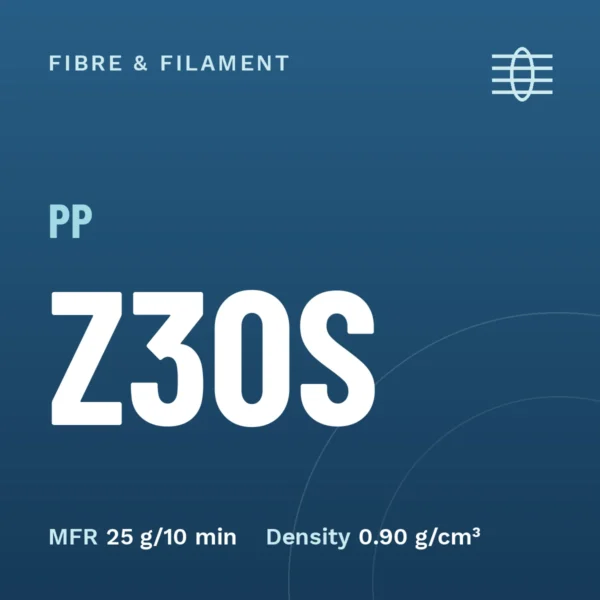
PP Z30S – Fibre & Filament Grade
PP Z30S is a high-melt-flow homopolymer for low-denier BCF, CF and staple fibres at medium to high spinning speeds.
- MFR 25 g/10 min 230 °C / 2.16 kg
- Density 0.90 g/cm³
- Process Fibre Spinning
PP fibre grade: buyer’s guide for spinners and nonwoven makers
Fibre grades are polypropylene homopolymers with a high melt flow, around 25 g/10 min. The high flow lets the melt be drawn into fine filaments at speed without breaking. They are used for continuous filament and BCF carpet yarn, staple fibre, spunbond nonwoven and multifilament for straps and ropes.
Pakistan has no polypropylene plant running, so fibre grades are imported along with raffia and injection grades. Local spunbond lines make hygiene, medical, agricultural and geotextile fabrics, and they need resin that spins without drips or broken filaments.
| Grade | Melt flow | Density (g/cm³) | Best for | Datasheet |
|---|---|---|---|---|
| PP Z30S | MFR 25 230 °C / 2.16 kg | 0.90 | Staple fibre, multifilament, BCF | TDS PDF |
| PP 552R | MFR 26 230 °C / 2.16 kg | 0.90 | CF, BCF, staple and spunbond | TDS PDF |
How the two grades differ
- PP Z30S is known for even melt and a high stretch ratio. Spinners use it when they need strong, uniform yarn.
- PP 552R has an anti-gas-fading package. That matters for white and pastel fibre stored in warehouses where forklift exhaust or heating gases can yellow the yarn.
What to watch on the spinning line
- Keep melt temperature between 230 and 270 °C and stable. Small swings show up as uneven denier.
- Check the melt flow on every new lot certificate. A jump of a few units changes draw ratio and tenacity.
- Use colour masterbatch with a PP carrier and a fine dispersion, or spinneret filters will block quickly.
- Fibre grades are not raffia grades. For woven sack tape, use PP raffia with a melt flow near 3.
Where PP fibre goes
- BCF carpet yarn and rugs
- Staple fibre for nonwoven and blended textiles
- Spunbond nonwoven for hygiene, medical, agriculture and geotextile
- Multifilament for ropes, straps and webbing
Pakistan’s textile base gives fibre grades a steady market. Spunbond lines in particular need a resin that spins evenly at high speed, because a single bad lot can mean hours of filament breaks.
Reading a fibre-grade datasheet
Melt flow is the first number to check, at 230 °C and 2.16 kg. Fibre grades run around 25. A narrow molecular weight distribution helps fine filaments. Also look for the additive package: antioxidant for processing stability and, for light colours, anti-gas-fading.
Colour and additives
Use masterbatch with a PP carrier and very fine pigment dispersion. Coarse pigment or filler blocks spinneret filters and causes breaks. UV masterbatch is needed for outdoor products such as ropes and agricultural covers.
Ordering and delivery
Material leaves Iran in the producer’s original bags on pallets. Buyers in Pakistan can receive it by sea through Karachi or Port Qasim, or by road through Taftan. Route, packing and Incoterm are agreed order by order, because they depend on quantity, city and timing. Each shipment comes with a commercial invoice, packing list and certificate of origin.
For a rate, send the grade, the quantity and your city on WhatsApp or through the enquiry form. We reply within one business day.
Questions buyers ask
Can I use a fibre grade for spunbond?
Yes. Both grades are used in spunbond nonwoven. Tell us your line type and fabric weight and we will suggest one.
Why does my white yarn turn yellow in storage?
Usually gas fading from NOx in the warehouse air. A grade with an anti-gas-fading package, such as 552R, reduces the problem.
What is the minimum order for fibre grades?
Usually a 20-foot container. A trial lot can be arranged when you are qualifying a new grade.


