Blog
GPPS vs HIPS: Differences, Uses and How to Choose

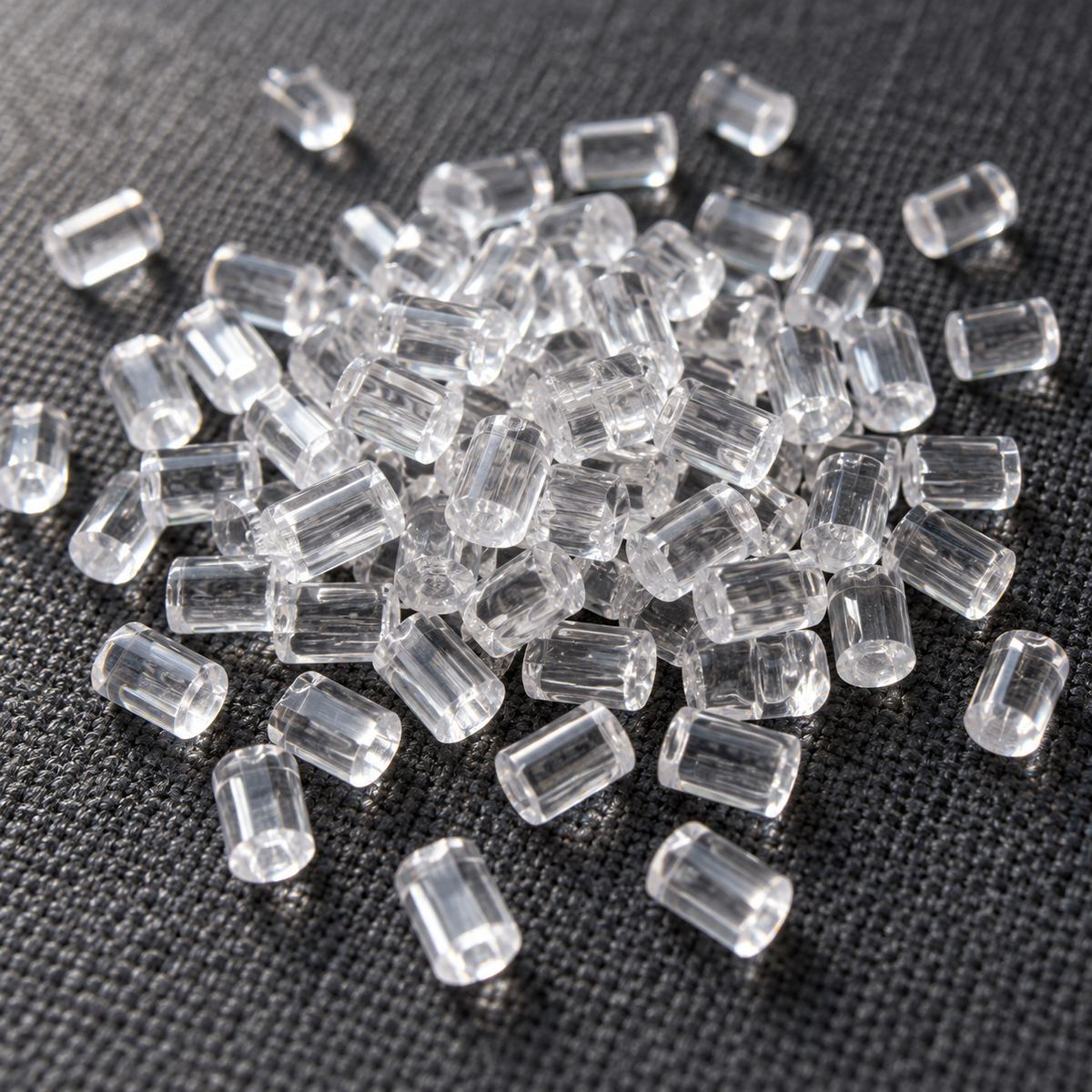
Polystyrene comes in two main forms for converters: general purpose polystyrene (GPPS, also called crystal polystyrene) and high impact polystyrene (HIPS). They are made from the same monomer but behave very differently. This guide explains the difference and which one to use for your product.
GPPS: clear and stiff
GPPS is a glass-clear, hard and stiff plastic that flows easily in the mould. Its weakness is brittleness: it cracks under impact. It is used where clarity and a glossy surface matter more than toughness: clear cups and containers, cosmetic and display packaging, CD and jewellery cases, disposable cutlery, and foam products such as food trays and insulation board.
HIPS: opaque and tough
HIPS is polystyrene modified with polybutadiene rubber. The rubber particles absorb impact, so HIPS is much tougher than GPPS, but it is opaque and less glossy. It is used for thermoformed cups and food containers, refrigerator liners, appliance and electronics housings, toys and signs.
Comparison
| GPPS | HIPS | |
|---|---|---|
| Appearance | Glass-clear, glossy | Opaque white, satin |
| Impact strength | Low (brittle) | High |
| Stiffness | High | Medium |
| Main processes | Injection, sheet, foam | Sheet extrusion, thermoforming, injection |
| Typical products | Clear cups, cases, cutlery, foam | Cups, liners, housings, toys |
Blending GPPS and HIPS
Many sheet and thermoforming lines blend GPPS and HIPS. GPPS adds stiffness and gloss, HIPS adds impact strength, and the ratio sets the balance. Disposable cups and food containers are often made this way.
Grades we supply
- GPPS 1540: easy-flowing crystal polystyrene for extrusion and injection moulding; MFR 11 g/10 min (200 °C / 5 kg).
- GPPS 1551: crystal-clear, high-strength grade for fast-cycle injection moulding of thin-walled parts; MFR 9, Vicat 92 °C.
- GPPS 3160: high molecular weight, high-heat grade for foam and clear sheet extrusion; MFR 2–3.5, Vicat above 104 °C.
- HIPS 7240: very high impact grade for sheet extrusion and deep-draw thermoforming; MFR 4.5, density 1.04 g/cm³.
Recycling polystyrene
Polystyrene carries resin code 6 and can be ground, washed and re-extruded into granules for non-food products such as coat hangers, office items and some building products. Clean post-industrial PS scrap is the easiest to recycle.
How to choose
- If the product must be clear, start with GPPS.
- If it must survive drops, bending or deep drawing, use HIPS.
- For thermoformed cups and trays, test a GPPS/HIPS blend.
- Check MFR against your process: higher for thin-wall injection, lower for sheet and foam.
See all polystyrene granules. For a rate, send the grade, quantity and destination on WhatsApp +971 58 687 5544.


