


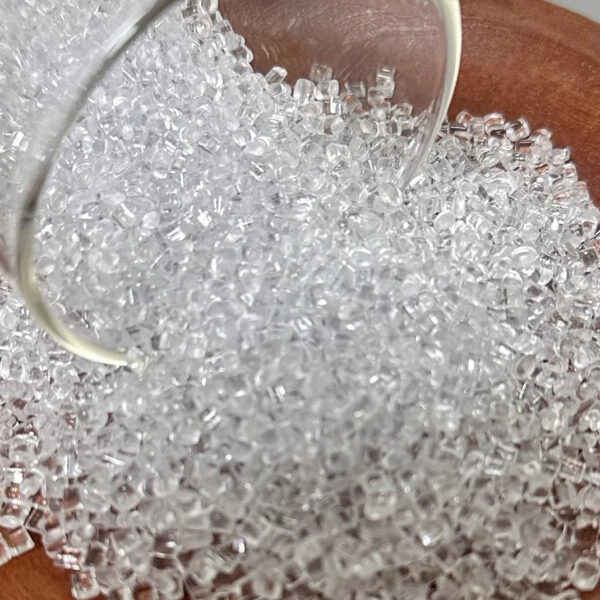

Polystyrene granule
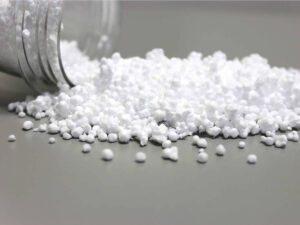
Various types of granules are considered essential raw materials for industrial production. Among the various kinds of practical granules, polystyrene (PS) granules can be mentioned, which are used in various industrial productions in different forms. Currently, various types of PS granules are available in the market, including ordinary polystyrene granules. Other examples of this product include durable polystyrene granules and expandable polystyrene granules. Applications of polystyrene granules include the electronics industry, sports equipment, and refrigeration insulation.
What is a PS Polystyrene Granule?
Polystyrene is one of the raw materials used in industrial production for various products. Polystyrene has a chemical structure consisting of hydrocarbons and hydrogen and is highly resistant to heat. One of its characteristics is its flexibility and elasticity. One method of introducing polystyrene into the market is in the form of granules. Polystyrene granules consist of fine particles used in heat production. Today, various polystyrene granule types are used in industrial production as raw materials.
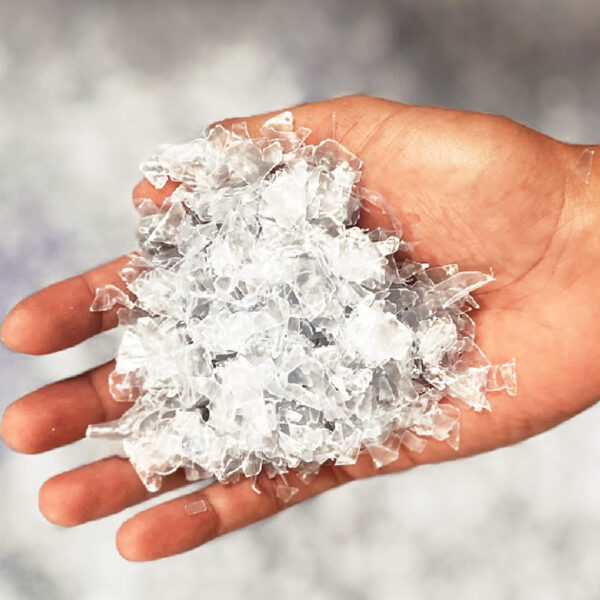
Significant portions of the polystyrene granules available in the market are made from recycled materials. The use of recycled materials for producing polystyrene granules has numerous advantages. By utilizing polystyrene waste to produce polystyrene granules, waste is returned to the production cycle. Additionally, utilizing polystyrene waste reduces the cost of raw materials needed for industries.
Production of PS Polystyrene Granules
The production of polystyrene and its presentation in granule form involves various stages. In related industries, producing various types of polystyrene granules utilizes a combination of ethylene and benzene.
The ethylbenzene obtained is then hydrogenated in a specialized process to obtain styrene. The obtained styrene is next polymerized using oxygen in a polymerization process, and the final product, polystyrene, is extracted.
The final product is then transformed into granules in related industries and made available to consumers.

Types of polystyrene PS granules available in the market
Currently, various types of polystyrene PS granules are being produced in factories to meet the needs of consumer industries. Each polystyrene granule type has specific uses, so buyers should pay attention to this point. Some of the most common types of polystyrene granules are mentioned below.
Regular polystyrene granules
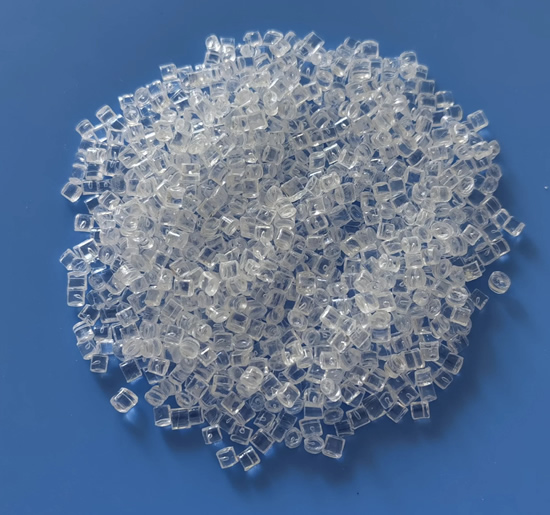
One of the most commonly used types of granules is regular polystyrene granules, which are sold in the Iranian market under the name "crystal." Regular polystyrene granules have various properties, including high heat resistance. They are also known for their high-impact strength.
Applications of regular polystyrene
Regular polystyrene granules are used in various manufacturing industries, including the production of disposable containers. Due to their high strength and dielectric properties, they are used in the production of various electronic devices. Some applications of PS polystyrene granules include making toys, sports equipment, and insulating materials.
Resistant polystyrene
Another type of polystyrene granules is the resistant type, known in the Iranian market as "HIPS." HIPS, which stands for High Impact Polystyrene, is used in standard granules in various manufacturing industries. This type of polystyrene is known for its high resistance and is used in the production of many products.

Applications of resistant polystyrene
The high quality and durability of resistant PS polystyrene granules make them ideal for use in the production of insulating materials for the bodies of refrigerators and freezers. They are also used in disposable containers in large volumes.
Expandable polystyrene or Unolite
Another type of PS granules is expandable polystyrene, which is used to produce various types of polystyrene. Expandable polystyrene, known as Unolite, is made up of a white polymer combined with an expanding agent and has many applications.
Applications of expandable polystyrene or Unolite
The main application of expanded polystyrene (EPS) granules is in the production of foam blocks used for thermal and acoustic insulation in various buildings. Other uses of expanded polystyrene granules include making ice buckets, thermoses, and specialty foam packaging. Due to the wide application of EPS granules, this product is produced in large volumes and supplied to the market. Another type of polystyrene granules available in the market is modified polystyrene with rubber.
Advantages and disadvantages of polystyrene granules
Each raw material used in industries, such as polystyrene granules, has advantages and disadvantages that should be considered. The benefits of using different types of polystyrene granules in the production of various products include their strength and resistance to pressure and impact. Optical transparency, gloss, formability, and suitable flexibility are other advantages of these granules. On the other hand, various polystyrene granules are offered at a low price in the market, which helps reduce production costs. Since the polarity of polystyrene granules is low, they can be used as effective insulation. Also, polystyrene is resistant to various solvents, including water.
Despite the high efficiency of various EPS granules in producing different products, these materials have weaknesses and disadvantages. Among the disadvantages of polystyrene granules, low resistance to heat can be mentioned. Additionally, polystyrene granules are susceptible to certain chemical substances. The main weakness of EPS granules is their brittleness, which creates limitations. Low stability against UV light is another disadvantage of polystyrene granules.
Polystyrene granules production by Robin Polymer
Since 2017, Robin Polymer has been committed to providing the highest quality products in the field of various polyethylene, PE, polypropylene, and high-impact polystyrene (HIPS) granules for producing pipes, wide nylon, handheld nylon, automotive parts, and plastic components. By using modern machinery equipped with quality control and high-purity laboratories, the company has been able to produce the best quality products per global standards. With the help of specialized consultants, cutting-edge technologies, and the establishment of research and development units, the company has taken effective steps in production and product development.
Reviews
Clear filtersThere are no reviews yet.