



Polystyrene Recycling
In today’s world, waste disposal and decomposition methods are considered some of the most challenging issues of modern life. It is interesting to know that types of plastic and polymer waste take at least 350 years to decompose. For this reason, recycling is always on the agenda of governments. Polystyrene recycling is one of the prominent issues among various companies. In this article, we will introduce this widely used chemical material and various recycling methods.
What is Polystyrene?
With the chemical formula (C8H8)n, polystyrene is a type of plastic that exists in regular, expandable, and resilient forms.
Regular Polystyrene
This type of polystyrene is known as GPPS in global markets and as crystal in Iran. Its characteristics include thermal insulation, impact resistance, and fluidity. It also has dielectric properties. Regular polystyrene is used in many products, such as disposable containers, radios, televisions, and refrigerator body insulation.
Expandable Polystyrene
We have all heard and used the word “styrofoam” many times. Expandable polystyrene, also known as styrofoam, is a polymer containing a foaming agent added to it, turning it into styrofoam. Its uses include sound and thermal insulation in building construction, it’s also suitable for thermal insulation in industrial refrigerators and cold storage units. Styrofoams have the most common use among this family, making the recycling of expandable polystyrene more common than other types.
Resilient Polystyrene
This type of polystyrene is used in producing various plastic containers and is known as HIMPAC in the domestic market. HIMPAC is used in sports equipment, toys, and even thermal insulation for refrigerators and freezers. As you can see, this chemical material is used to produce various items. Sooner or later, the life of these items ends, and they need to be phased out. Therefore, recycling polystyrene is one of the best ways to bring it back into the production cycle.
The truth about polystyrene recycling
According to global statistics, only 12% of this widely used material is recycled. Surprising? Because producing polystyrene is easier compared to collecting and recycling it. Nevertheless, it can be recycled using various methods instead of being released into nature.
Polystyrene Recycling Methods
Different factories around the world employ various methods of recycling. Physical, chemical, catalytic, thermal conversion, and thermal degradation are the main ways of recycling this chemical material. Below, we will briefly explain these methods.
- Physical Recycling
- Transferring recyclable materials to the factory and separating contaminants such as food and paper from polystyrene waste
- Separating dirty and contaminated waste from clean materials using separators
- Recyclable materials enter a mill and go through the “cracking” process, washing and drying of the waste
- Melting the cracked material with heat and removing air from it
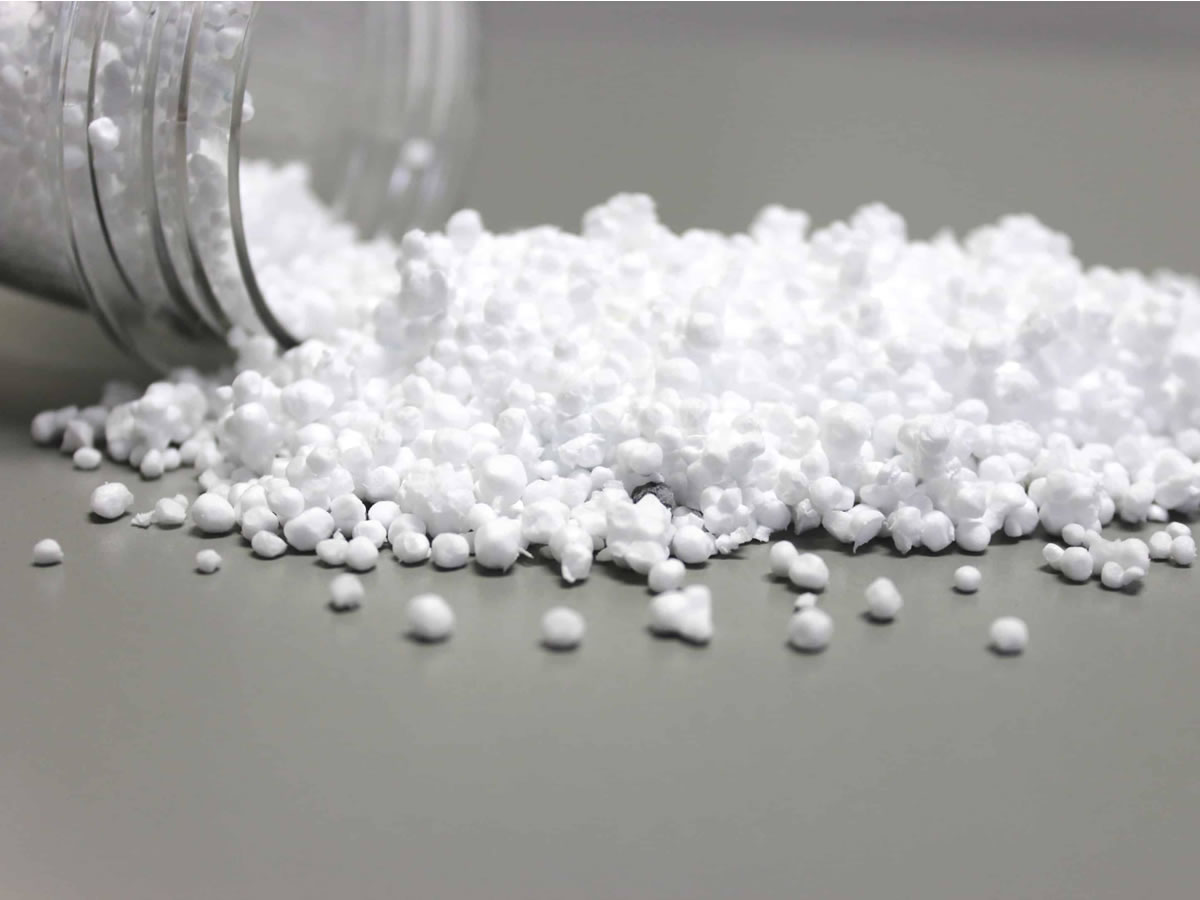
- At this stage, the molten materials are transformed into small pellets. They are then extruded into polystyrene strings and, after cooling with water, formed into pellets.
- These pellets, as raw materials, return to the factory and are used for making various items.
- Compaction
As a rule, transferring waste to polystyrene recycling centers seems a bit difficult. That is why recyclers use various tricks to reduce the volume of waste. For example, foam padding is one of the most commonly used means for reducing the volume of waste and its easy transfer to recycling centers.
Limonene in Recycling
Another important method of polystyrene recycling is the use of the solvent limonene. This magical substance, made from orange peel, can easily dissolve polystyrene and concentrate it. During this process, 5% of the volume of polystyrene is reduced. Then, it is formed into plastic pellets or bricks and transferred to factories.
You may wonder why we call limonene magical! The reason is the process this substance goes through. After melting and recycling the waste, limonene returns to its original form and remains usable, just like in the beginning.
Chemical recycling
Another method of polystyrene recycling is considered thermal recycling. The main formula of this substance includes a long chain of carbons. Therefore, after burning polystyrene, nothing remains but carbon dioxide and water vapor.
Burning these materials in municipal waste incinerators is one of the best ways to recycle polystyrene because this process can be used to convert waste into thermal energy. Researchers around the world are trying to increase the production of this energy.
Production of new materials
As you know, new materials are produced after recycling polystyrene through various methods. You may be familiar with some of them. For example, benzene, ethylbenzene, monostyrene, toluene, and so on, are the most famous materials.
Conclusion
During the process of recycling polystyrene, in addition to economic costs and conditions, many technical issues also have an impact. However, if the operational conditions are created properly and suitable catalysts are used, there should be no concern. In this way, the quality level of the recycling process increases. Along with all these issues, it is worth mentioning that recycling polystyrene waste does not harm the environment but also has economic benefits.
For more information about polystyrene granules, polymer compounds, and the sale of granules, you can visit our web pages for details.