



What is a polycarbonate granule?
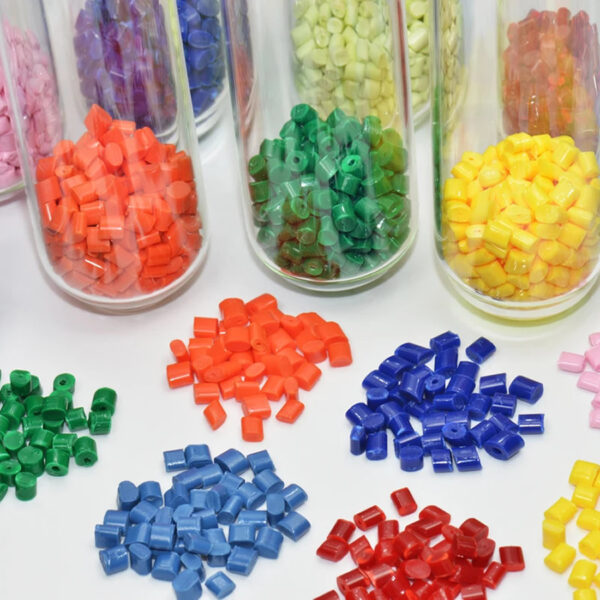
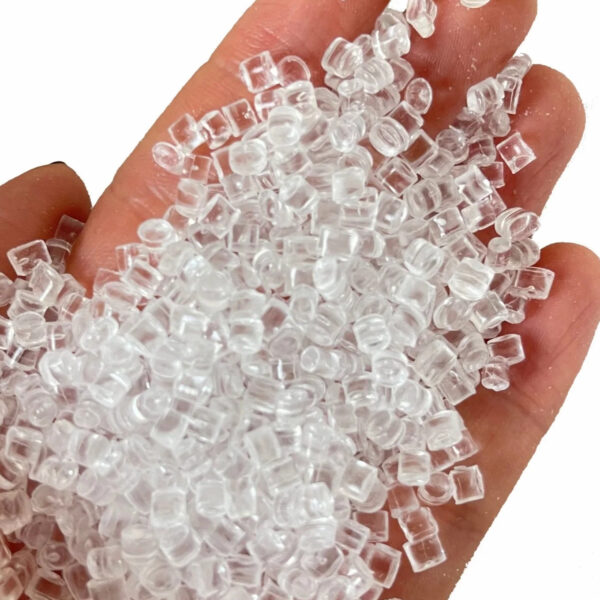
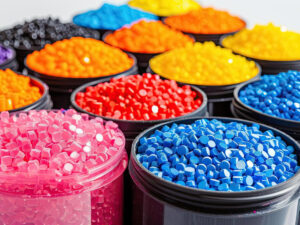
Polycarbonate PC granule is an amorphous and naturally transparent thermoplastic. Of course, it can be in various colours, and its primary material allows the internal light to transmit with almost the same capacity as glass. Polycarbonate polymers or granules are used to produce different items, especially when impact resistance and transparency of a product are considered, for example, bulletproof glasses, personal computers, plastic lenses in glasses, medical devices, Auto parts, protective equipment, greenhouses, digital disc and outdoor lighting equipment. One of the main applications of PC granules is moulding due to its resistance to thermal changes.
What is polycarbonate (PC) granules?
Polycarbonate PC is a suitable option to use instead of glass. This transparent material is also used in various construction sectors. Polycarbonate PC granules are called sheets that have high resistance to heat. A type of engineering thermoplastics used alongside any building materials and has wide applications in other industries.
These sheets are easily coordinated with other building materials due to their transparency, light transmission, shading, glass-like and colourless appearance. Polycarbonate PC granules have different sizes and are resistant to sunlight and impact. Another characteristic of polycarbonate granule is its flexibility. It forms at room temperature without cracking or breaking like an aluminium sheet. This change of shape takes place with heat and is not normally possible.
Of course, small angles can be created without heating. This property of polycarbonate sheets is beneficial in prototyping where metal is not practical. When a non-conductive material with electrical properties is needed, these PC polycarbonate granule sheets can be used.
Using polycarbonate instead of glass
Polycarbonate PC is a suitable option instead of glass. This transparent material is also used in various construction sectors. Polycarbonate PC granules are called sheets that have high resistance to heat. A type of engineering thermoplastics used with different building materials and has wide applications in other industries. These sheets are easily coordinated with other building materials due to their transparency and light transmission, shading, and glass-like and colourless appearance.
Polycarbonate PC granules have different sizes and are resistant to sunlight and impact. Another characteristic of polycarbonate granule is its flexibility. It typically forms at room temperature without cracking or breaking like an aluminium sheet. This shape change happens with heat and is not normally possible. Of course, small angles can be created without heating. This property of polycarbonate sheets is beneficial in prototyping where metal cannot be used. When a non-conductive material with electrical properties is needed, these PC polycarbonate granule sheets can be used.

Characteristics of polycarbonate granule
Unlike a thermostat, a PC softens in heat. One of the features of this sheet is that these products can be heated up to the melting point and cooled again without significant damage. Instead of burning, they turn into polycarbonate liquids, which allows them to be easily injected or recycled. Polycarbonate granule is an amorphous material, which means it has the characteristics of crystalline solids. Normally, the polycarbonate sheets of Amur plastics tend to soften gradually, that is, there is a wider range between the glass transition temperature and their melting point. Copolymer has several different types of monomers in its composition.
Why are polycarbonate granules so widely used?
Currently, the polycarbonate granule production process with its unique formula is known by the resin brand. Several polycarbonate types in the industry are reinforced with some glass fibre with different melt flow variances. Some polycarbonates have additives such as UV stabilizers that protect the material from prolonged exposure to sunlight. Polycarbonate for injection moulds and other additives such as mould release agents are formed during processing and lubrication and is supplied in cylinders and rods form.
The production of polycarbonates, like other pro plastics, begins by distilling hydrocarbon fuels into lighter groups called "fractions." Some of them are used to produce plastics (usually combined through polymerization or being cut into pieces with other catalysts). Pc is used for initial sample development in CNC machines and 3D printers. The main thermoplastic material granules of polycarbonate are used in FDM processes in some 3D printers.

The Advantages of Polycarbonate
These sheets not only cost less than glass, but they are also lighter in weight, and have high resistance compared to plastic, leading to increased demand in various industries. They are a suitable substitute for plastics, preventing energy waste and saving energy by blocking heat in the summer and preventing heat loss in the winter.
However, they also have disadvantages, such as creating high temperatures in warm air. These sheets are prone to scratching and can be costly to execute. Nevertheless, they are chemically resistant to organic and mineral acids, and cleaners and sealants available in the market have little effect on them.

Is Granule Polycarbonate Hazardous?
Certain types of polycarbonates may be hazardous due to the release of Bisphenol A (BPA) during hydrolysis (breakdown due to contact with water) under conditions involving contact with food. Although BPA and COC combinations are the most common types of polycarbonates, BPA-free polycarbonates are available for use in food or water-contact applications.
There have been nearly 100 studies on BPA, with conflicting results between budget sources and risk assessments. Most government-budgeted studies have shown that BPA poses no health risks, and many industry-funded studies have not shown any medical hazards. Regardless of contradictory studies on the negative effects of BPA, certain types of polycarbonates are associated with hazards. BPA-free polycarbonate products are commonly used in consumer products such as canned goods and pose no risks.
The main applications of polycarbonate
Greenhouse coverings and multiple light diffusers, pool coverings and partitioning, cabinetry and skylights are applicable in halls, malls, and warehouses. Safety glass, transportation, construction, and glass are among the other uses of these sheets. These products are produced by evaporation and granulation, or by the recycling of solvents the synthesis of polycarbonates and the purification of exhaust gases, although there are many other ways to produce polycarbonates. This product is even used in military industries, gas masks, and compact discs. These products can be used in the automotive industry and the construction of various industries.
Reviews
Clear filtersThere are no reviews yet.