



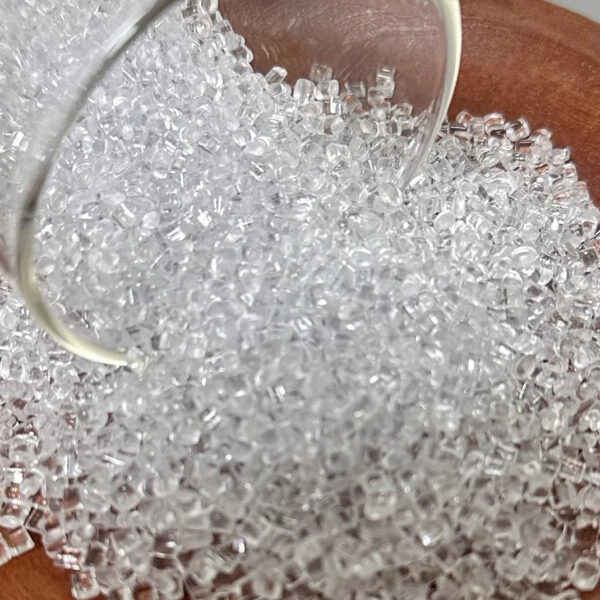
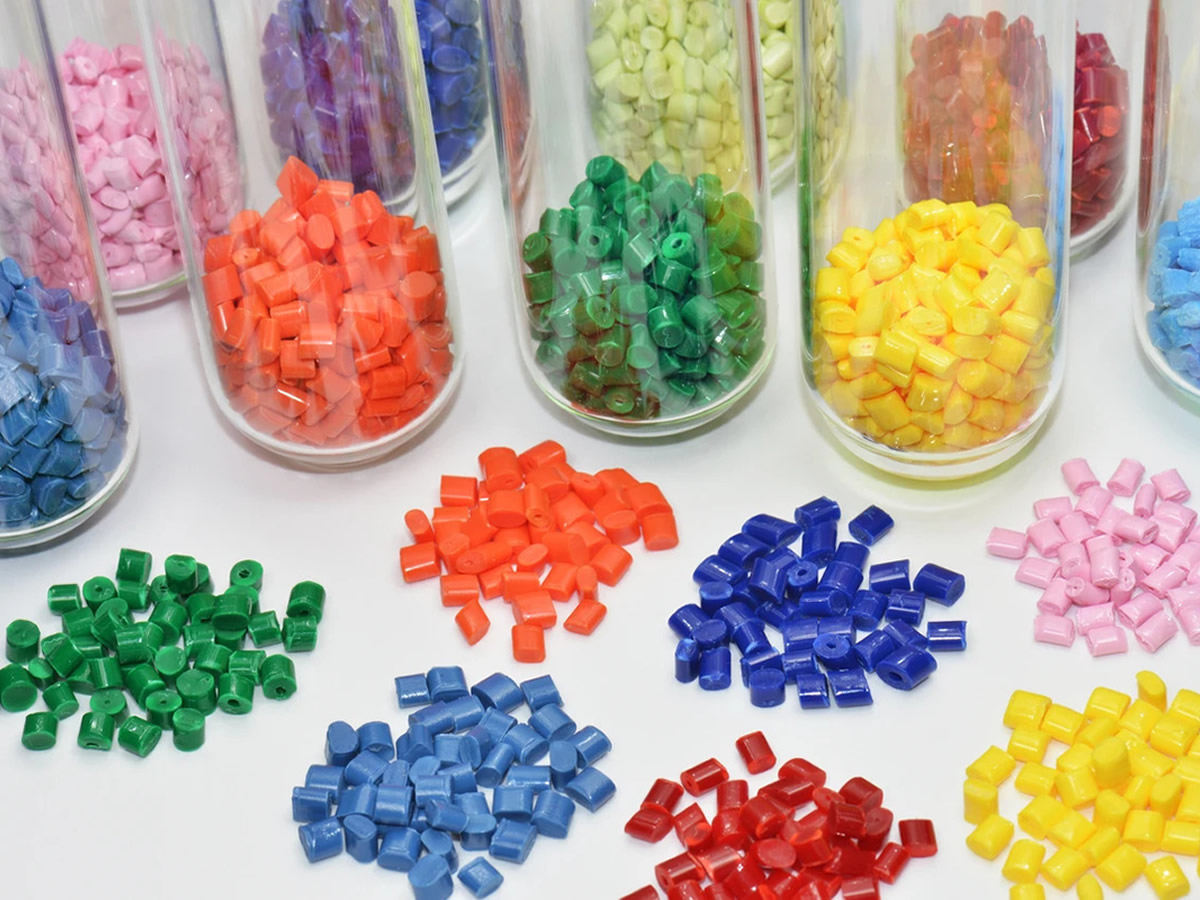
Propylene is a product with the formula (C3H6), which is similar to the formula of propane gas (C3H8), with the difference that two of its hydrogens are removed. Polypropylene is the second most consumed polymer in the world after polyethylene. Recently, new units for converting propane to propylene using the PHD method have been introduced in the country. Polypropylene is also called the caviar of the petrochemical industry, which reflects the value of this substance.
Polypropylene has the largest share in propylene consumption with a 66% share in the value chain of this material. Other key and valuable products such as propylene oxide with 8%, acrylonitrile with 7%, acrylic acid with 4%, cumene with 4%, and dioctyl hexanol with 4% rank from second to sixth in terms of propylene consumption. Butanol and isopropanol also account for 3 and 1% of propylene consumption in the next positions.
Propylene application
Polypropylene is used in various fields, for example in the automotive industry for producing door panels, interior decorations, car flooring, battery boxes, and more. Most parts of bags and toys are also made from this polymer. Almost 10% of PP production is used for food packaging. About 30% of PP is also used in producing fibres and textiles. PP fibres are used in carpets, rugs, ropes, bags, etc production.
Other applications of polypropylene in the country
Pipe
Polypropylene is used for water and sewage pipes. Pressure pipes include drinking water, underfloor heating, and radiator pipes are also used, and block copolymers are used for other applications such as sewage. Petrochemical companies such as Noavazar, Rijal, Maroun, and Shazand offer these products for the pipe industry.
Disposable containers and plastic boxes
The use of polypropylene containers, which have been produced in recent years using the thermoforming method, has expanded the food packaging industry in the country. Various types of homopolymers, random copolymers, and block copolymers are used in this application. Rijal Petrochemical has various homopolymers under its license. In addition, Navidd Zar Chemistry, Maroun, and Jam offer this type of polypropylene in their product list, and Shazand and Jam can manufacture its copolymers. Plastic boxes have been used in the production of various packaging for several years and are a suitable replacement for cardboard and cartons.
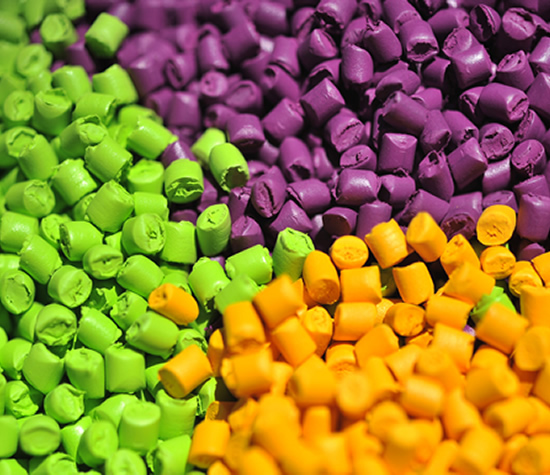
What is a polypropylene compound?
Polypropylene compounds are mainly composite types used in components and parts of household appliances, pipes, and fittings production.
Polypropylene compound has restricted the production of polypropylene due to the demand of some of its customers. These compounds are more than composite and reinforce the properties of polypropylene. Adding various mineral fillers, non-permeable fibreglass materials, glass fibres, etc. adds the following properties to this polymer:
- Increases tensile strength
- Increases impact
- resistance
- Increases flexural and bending properties
- Heat resistance
- Increases dimensional stability
- Increases elasticity properties
- Increases resistance to creep and stress cracking
- Reduces the price
Polypropylene compound is used in automotive parts, wire coatings, household appliances, pipes, and fittings.
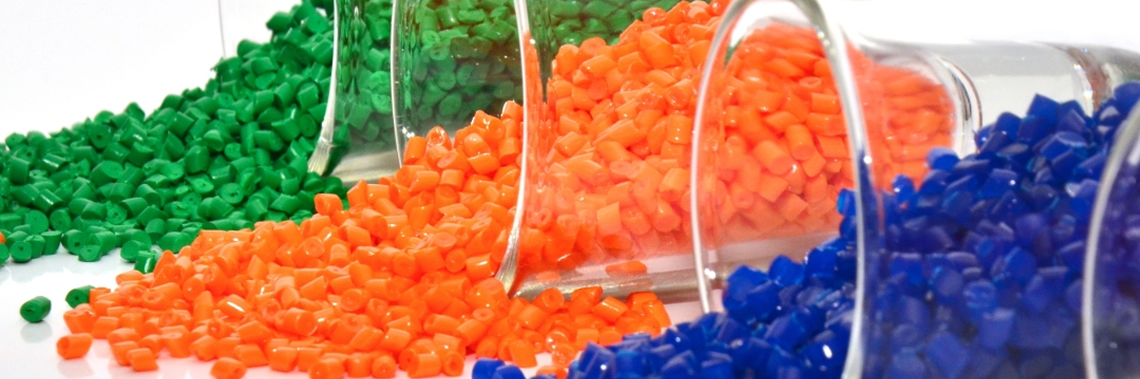
Polypropylene (PP) Structure
Polypropylene has three types: isotactic iPP, syndiotactic sPP, and atactic aPP in the isotactic type. Isotactic iPP has various properties that led to its widespread use, especially in producing plastics and fibres. One of the most important properties of this material, is its lack of moisture absorption compared to polymers such as polyamides, making it a suitable option for many applications. By making some subsequent modifications, the properties of this material can be improved. The most important modifications currently being pursued include controlling degradation, cross-linking, operationalisation, and branching. The molecular structure of polypropylene, due to the nature of the molecules leading to low melt resistance and low melt strength, limits the use of this polymer in processes such as moulding and thermal structures.
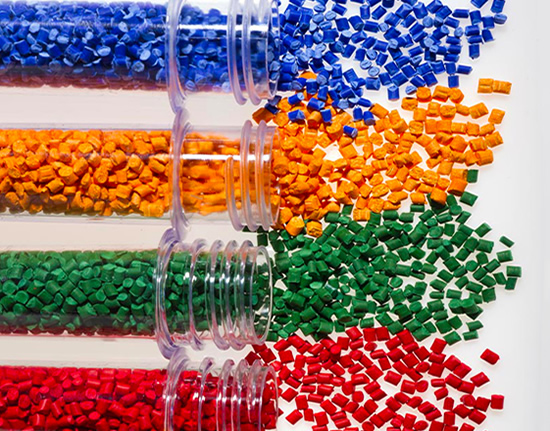
Polypropylenes (PP) Features
In comparison to other polymers, polypropylene has distinct and remarkable features, including:
- Relatively low cost of propylene monomer compared to other polymer monomers
- Low cost of PP compared to other polymers
- The low and specific weight of PP
- Flexibility and a wide range of PP production with variable physical and chemical properties
- Increased new applications
- Increased use of PP in medical devices and equipment
- Consumption of PP as an alloy with other polymers
- Replacement of polymers such as PS, PE, etc. with PP
Methods of producing polypropylene (PP) products
Polypropylene, is a polymeric and plastic product, that has various applications in the industry and production. Many products are made from different types of polypropylene. This product is produced by petrochemical companies producing derivatives and by-products of crude oil and is supplied to the market. There are six different types of polypropylene production, including the following:
- Injection molding
- Blow molding
- Film and sheet
- Fibres
- Pipe
- Protective covers
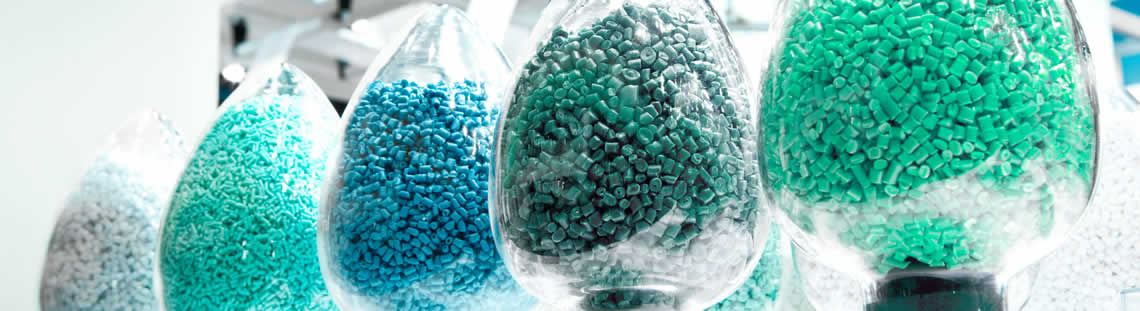
Features of polypropylene pipes and products
- Lightweight
- Easy to close connection
- Resistance to wear and erosion
- Resistant to corrosion and rust
- Ability to bend
- High resistance to moisture
- Resistant to weather changes, rain, snow and sunlight
- High resistance to acids and chemicals
- Insulation properties against electric current and heat
- Relatively reasonable price
- High level of production and marketing
- Easy access to product purchase
The production of polypropylene in the country is a good opportunity to generate income, and it can be exported to other countries, as these products are both available in the Iranian markets and internationally.
Reviews
Clear filtersThere are no reviews yet.