



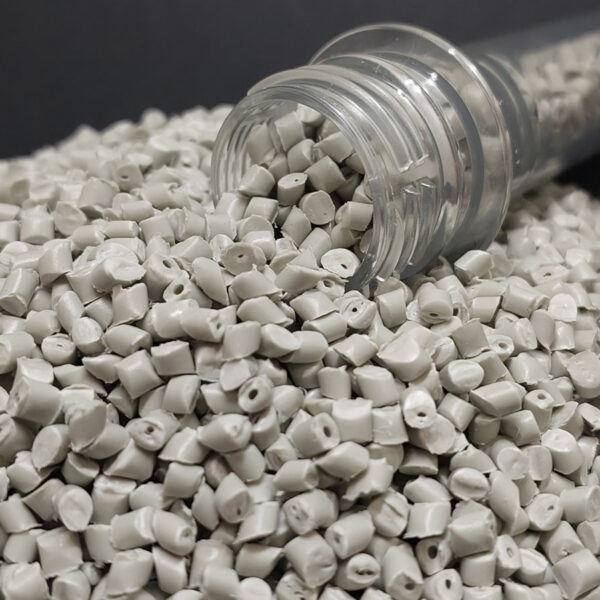
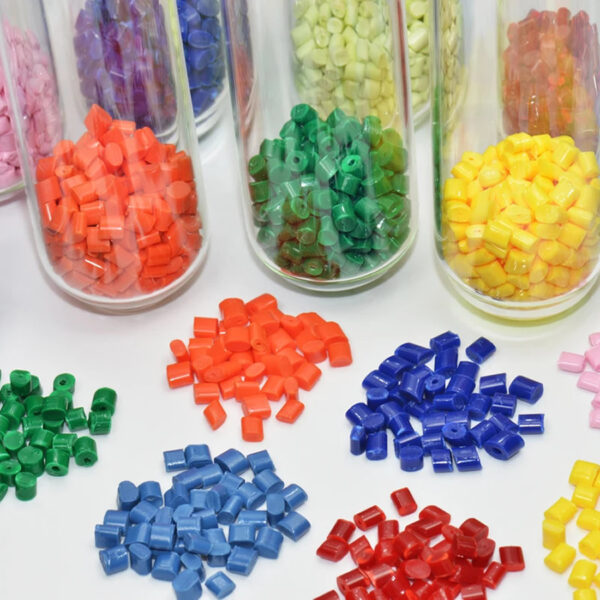

What is polyethylene granule?
Polyethylene granule is a type of structure that exists in polymers, and it is one of the thermoplastic polymers, which means this material becomes liquid when it reaches the melting point and solidifies when it reaches the freezing point. It is necessary to know that the granule structure is used to produce many plastic materials.
What are polyethylene granules (PE)?
In general, if we want to pay attention to the history of polyethylene granules, we must say that the word polymer is a Greek word, and the first time this word was used by a chemist named Renald in 1835, and the first commercial use of polymer materials started in 1834. It is necessary to know that the first modern industrial plastics became popular around 100 years ago, but in recent decades, these materials have faced significant growth. However, it should be noted that there are currently about 60 types of important polymers on the market, and their derivatives are also numerous and increasing.
Granule structure
Granule structure is only referred to a specific type with a ball shape, but its molecular type can differ. The polymer known by the abbreviation PE is one of the most widely used polymers in the world, which belongs to the polyolefin family and belongs to the thermoplastic category.
It is interesting to know that this material represents the largest group of plastic waste so it currently has many applications in the packaging industry. PE granules are widely used in making bags and containers, plastic spoons, milk bottles, etc.
There are two production methods for PE polyethylene granules: high-density polyethylene and low-density polyethylene.

Application of polyethylene (PE) granules
Since expensive raw materials are usually needed to make different parts, in today's world, with the advancement of technology and ways to recycle materials, using these materials to make all kinds of parts has received much attention. Because recycling is one of the ways to lower the price of raw materials, it is necessary to know that one of the most important applications of PE granules in the industry is the reuse of plastic waste to produce new products. For example, worn-out car tires are one of the most important plastic wastes, which form a large volume, and if these materials are re-entered into the production process, in addition to the elimination of environmental problems, a lot of savings will be made in providing the primary sources of new products.
More polyethylene granules (PE) applications
It is also necessary to know that PE granules are also used to produce plastic parts such as stationery, so there is no need to use first-hand plastics to make these plastic parts, which saves costs. be sought Now it is necessary to note that one of the most important points for the production of PE granules is the accuracy of its durability and strength.
So, if low-quality granules are used during manufacturing, the production process may be disturbed and the manufacturing of products may face problems. It should be noted that this material is also used in the electrical industry, so thick cables need a safe plastic coating, and recycled granules can be used to make these coatings. Plastic chairs, plastic tankers, plastic tables made of PVC materials, such as cabinets and closets, etc., are among other things that are made of PE granules.

Light polyethylene granules
When classifying polyethylenes, it is usually based on their density, which affects the size of the polymer chain and the number and type of its branches. You need to know if heavy polyethylene is among the types of granules, it has a polymer chain without branches, and this has caused the intermolecular force and maximum strength of this type of PE granule to be very high, for this reason, it is used to produce pipes.
What is heavy polyethylene?
Heavy polyethylene is another type of light polyethylene with a branched chain, which causes the chains to not establish a proper link with each other, as a result, it has less intermolecular force and tensile strength. However, flexibility and the possibility of decomposition are among the most important characteristics of this type of polymer. It is interesting to note that this type of polyethylene is usually produced by radical polymerization, and its most important uses are producing polyethylene pipes for water and other such cases.

Linear polyethylene granules
Another type of polyethylene is linear polyethylene, which has a low density. This type of polyethylene has short branches and is usually used to produce piping connections and plastic pipes. Interestingly, some manufacturers use this type of polymer to manufacture polyethylene pipes for gas supply.
Advantages and disadvantages of PE granules
The use of PE granules generally has advantages and disadvantages, this material has good processability and high impact resistance and can be used to manufacture various devices. Also, remember that this type of polyethylene has a low price and its resistance to chemicals is high, which has caused this material to be considered soluble at room temperature, and its solubility can be increased by heating in hydrocarbons.
It should be noted that this material is also stable against oxidants and does not oxidize easily but will oxidize if exposed to UV rays and at high temperatures. Note that its degree of branching, in addition to having an important effect on its properties in the solid state, is also effective in the behavior of the melt. It is necessary to know that in addition to the fact that this type of plastic has advantages, you should be careful that polyethylene granules have a relatively low melting temperature due to their low intermolecular force. Its destruction occurs at a temperature above 270 degrees Celsius.

Reviews
Clear filtersThere are no reviews yet.