




What is polypropylene granule?
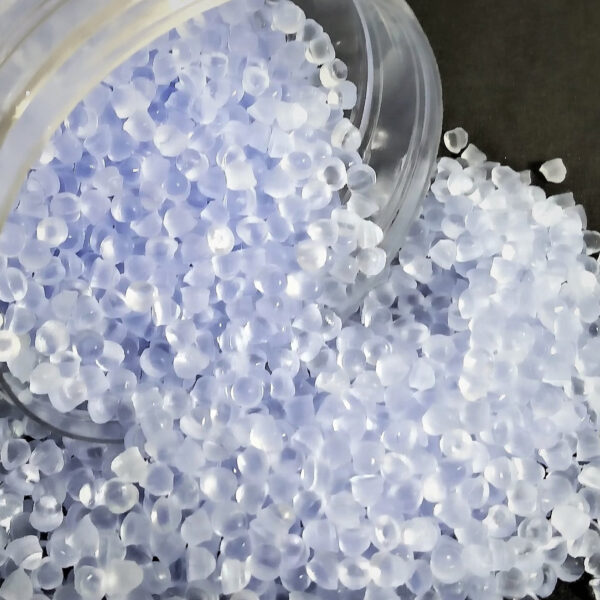
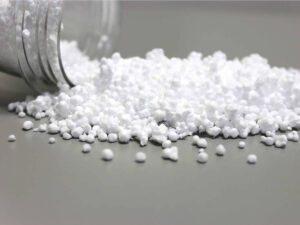
Generally, in polymers, there is a structure called granule. Polypropylene granules are a prominent example of polymer granules with a granular structure and are widely used in producing plastic materials. Polypropylene granules have a spherical shape that is converted into various forms while producing different materials. These granules are very useful for making cable and wire coatings and producing bottles, cans, tanks, etc.
Polypropylene (PP)
One of the most essential and widely used plastics in the world is polypropylene (PP), which can now have more applications in the industry in granulated form. Under relatively mild pressure and temperature conditions, propylene is polymerized alongside the famous Ziegler-Natta catalyst to produce polypropylene. When the Ziegler-Natta catalyst is used, isotactic polypropylene can be prepared, around 90 per cent of which can be crystallized.
Among the flexible and hot polymers, polypropylene (PP) is used in various applications such as automotive component manufacturing, building and industrial equipment, pipe manufacturing, medical and laboratory equipment, textiles, food packaging, injection moulding, blow moulding, sheets, films, and more.
Polypropylene (PP) granules
Polypropylene (PP) granules are a type of polymer that needs to be melted and then shaped before being used in industries. All polymers, including PP, need to be transformed into granules depending on their viscosity, application, and factors such as polymerization.
PP granules are classified structurally into three categories: isotactic, syndiotactic, and atactic. Chemically, in the structure of isotactic PP granules, methyl groups are placed on one side of the polymer chain, syndiotactic are placed alternately on both sides, and atactic has no specific order.
Usually, PP granules in any structure have desirable properties. However, the polymer that is melted and shaped for the first time has better and more desirable properties compared to recycled polymers.

Applications of polypropylene (PP) granules
Today, a variety of products are produced in various industries, which require the use of raw materials to obtain them. However, these raw materials are sometimes obtained at high prices because they do not exist in nature and must be painstakingly produced in laboratories for industries. But nowadays, with the growing industry of raw material recycling, there has been a significant reduction in the use of primary resources and costs in materials such as plastics, leading to substantial savings.
The most common use of polypropylene (PP) granules is manufacturing most plastic materials. Polypropylene (PP) polymer has no purpose other than producing various plastic materials, but it must be granulated and fed into a plastic moulding machine to be melted and shaped as desired. This advantage of the plastic moulding machine has led to plastic materials, such as plastic sandals, car tires, plastic bottles, plastic balls, or any other polymer material, being transformed into PP granules in a granulator machine and then melted and shaped again. Undoubtedly, the growth of the industry of recycling used materials is thanks to the granulation of materials.

Polypropylene granules application
Plastic waste recycling is the most important application of polypropylene (PP). Currently, a high percentage of the world's waste is attributed to plastic waste. Worn-out tires are among the plastic waste that makes up a significant portion of the waste. Therefore, if these materials are recycled, some of the environmental problems will be addressed, and at the same time, raw materials for some industries will be provided.
Thanks to polypropylene (PP) granules, recycling industries have produced plastic parts in stationery, telephones, shoe soles, cable insulation, water tanks, and other products using recycled raw materials. Producing these materials is from recycled polypropylene (PP) granules, and polypropylene (PP) granules have many uses.
The most common applications of polypropylene granules
Injection moulding is an industrial process with the most use of polypropylene granules, and the second largest customer of polypropylene is the fibre industry. Of course, the most common industries in polypropylene granules consumption as their raw material form are industries that produce transparent tanks and containers for medical packaging and food preservation by blow moulding method.
Polypropylene (PP) is used for making durable boxes, frames for audio and visual devices, fishing nets, anti-corrosion nets, beverage bottles, cable and wire insulation, bottle and can production, printing and graphic films and packaging sheets, water and sewer pipes, spiral wrapping tapes, hygiene fabrics, curtain fabrics, non-woven textiles, various toys, plastic suitcases and bags, sterilizable medical devices, caps and closures, household items, electronic and electrical appliances, and more.

Polypropylene granule features
The prominent features of these granules have certainly led to their wide application in various industries. Naturally, polypropylene (PP) granules are cheaper than other resin granules. These polymeric materials are very lightweight and are used specifically in some applications. They have high flexibility and variable physical and chemical properties.
The applications of these materials are increasing daily and have improved the range of new products, contributing significantly to the advancement of medical equipment and the development of their applications. These chemical materials can produce alloys alongside other organic resins. In many cases, polypropylenes can be a suitable replacement for other resins. These granules are colourless, resistant to tension, have low density, and are hard materials.
They show high resistance against acidic, basic, and other chemical solvents, and ultimately, the most important feature of polypropylene granules recognized globally is their recyclability, which has led to significant growth in various industries to secure their raw materials.
Purchasing granules from Robin Polymer
Robin Polymer production company has been operating since 2017 in line with its general policy of providing the highest quality products in the field of various granules such as polyethylene, BOPP, PP, and HIPS for the production of different pipes, wide nylons, handle nylons, and the production of car parts and plastic parts With modern machinery and well-equipped quality control laboratories, we have started our activities with high quality and purity per international standards.
You can contact 25903 number to buy granules.
Reviews
Clear filtersThere are no reviews yet.