



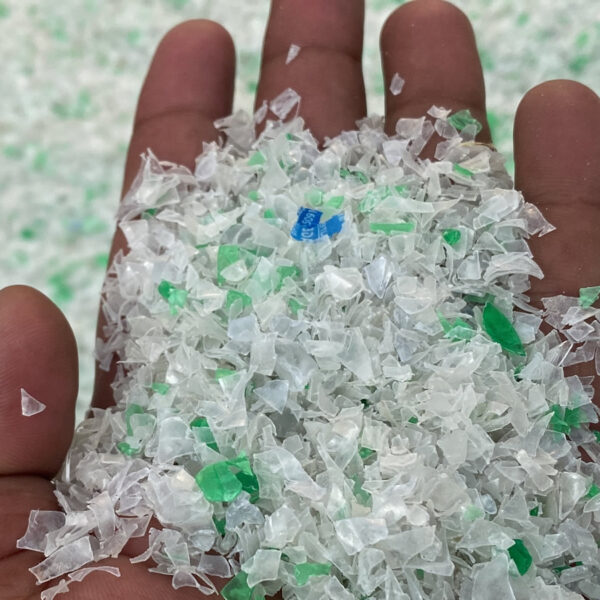
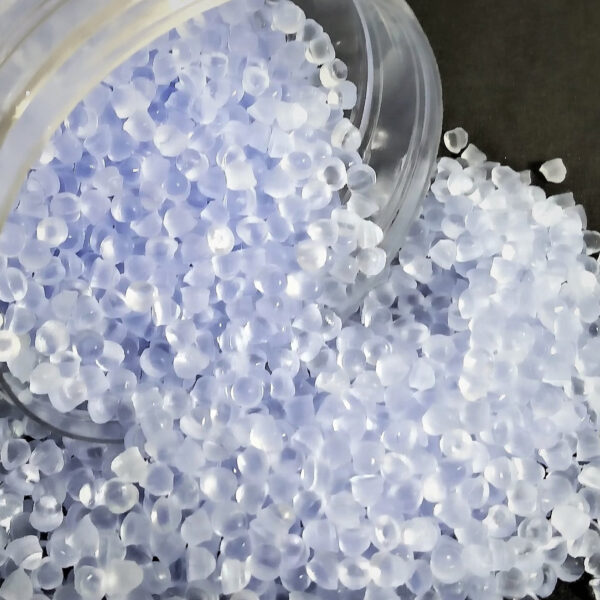

Nylon compound is a type of polymer material that adds new properties to it by combining nylon with other materials. This compound is widely used due to its high resistance to wear, impact and breakage, hardness and strength, resistance to heat and flame, as well as resistance to chemicals.
Nylon compound is used in various industries such as automotive, electronics, plastic, welding, construction, and other industries. Since nylon itself is a polymer material with great properties, by combining it with different materials, new properties are added to it, and used in various industries, for example, by combining nylon with materials such as polystyrene, polyethylene, polypropylene, or polycarbonate, new properties are added to the nylon compound, which is used in various industries.
Chemical composition of nylon compound
Monomers
The nylon compound consists of two main monomers: Ethylenediamine and Acetoacetic acid. In the presence of each other, these monomers are connected by forming hydrogen bonds. For example, diamines are connected to diacetic acids by forming a hydrogen bond and become the general formula (NH2-(CH2)n-CO).
Polymerization
Polymerization is a chemical process that transforms monomers into polymers. If diamine and diacetic acid react, nylon compound polymer is produced. In this process, the amino group (-NH2) of a diamine reacts with the carboxyl group (-COOH) of a diacetic acid and forms an amide bond (C=O-NH-). This amide bond between diamines and diacetic acids repeats itself in a chain and causes the formation of nylon compound polymer.
In conclusion, the nylon compound is a composite polymer obtained from diamine and diacetic acid. Due to its many physical and mechanical properties, this polymer is used in various industries, such as automotive, electronic, and textile industries.
Physical and mechanical properties
Tensile strength
Nylon compound possesses high tensile strength, which makes it suitable for use in resistant and durable plastic parts. The tensile strength of nylon compound is different according to the type of base polymer, the amount of fillers and the ratio of mixed materials. In some cases, adding different fillers can increase the nylon compound’s tensile strength.
Melting point
The melting temperature of the nylon compound depends on the base polymer type and the ratio of mixed materials. For example, nylon 6 has a melting point of about 210°C, while nylon 66 has a melting point of about 250°C. Adding fillers can lower the melting point of the nylon compound. At the same time, adding reinforcing materials such as glass fibres can increase the melting point of the nylon compound.

Nylon Compound Applications
Automotive industry
Due to its high mechanical properties and lightness, the nylon compound is used in the automotive industry for producing various parts such as electric windows, door handles, gearboxes, seat bases, etc. Some of the properties of this material include high-temperature resistance, impact resistance, corrosion resistance and bending resistance.
Packaging
Nylon compound is widely used in the packaging industry due to its packaging properties. This material is used for packaging products such as food, medicine, cosmetics, electronic devices, etc. due to its resistance to moisture, gas, and light penetration; it also has a high resistance to breaking, wear, and impact.
In addition, due to its gas permeability properties, nylon compound is used in pressurized food packaging production, such as puffs, chips, etc.
In packaging, nylon compounds are used as polymers mixed with other materials. These polymers include nylon/PE, nylon/PP and nylon/EVOH.

Nylon compound production process
Mixing raw materials
The production process of nylon compounds starts with mixing raw materials. The raw materials used in producing nylon compounds include nylon, polyester, polypropylene, polyethene, polystyrene and fillers. The combination of raw materials for nylon compound production is performed in a precise ratio. At this stage, the amount of raw materials is measured by weight. Then, the raw materials are mixed to have a uniform composition.
Extrusion
Next, the mixed raw materials go into the extrusion machine under high pressure and temperature. At this step, raw materials are produced as a flat pellet or a rod. After extrusion, the product is neutralised and cooled to ambient temperature.
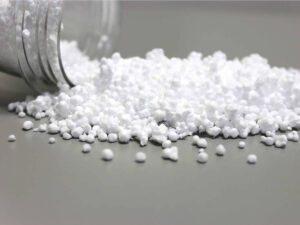
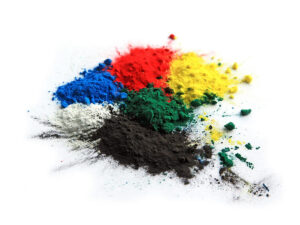
Finally, the product is packed in granular or powder form and ready to use for industrial parts production. Raw material combinations used in the production process of nylon compounds may differ to produce products with different properties. For example, high melting temperature fillers make nylon compounds with high heat resistance.

Challenges and Solutions
Environmental issues
Nylon compound is one of the materials used in many products. Due to its unique physical and chemical properties, this material is used in various industries such as automotive, electronics, clothing, etc. However, the production and use of nylon compounds can cause serious harm to the environment.
One of the environmental issues associated with manufacturing nylon compounds is the production of greenhouse gases. The production of these gases causes global warming and climate change. Methods such as recycling and reusing nylon compounds can reduce these gases’ negative effects.
In addition, among other problems that arise with nylon compound manufacturing, is the production of a lot of waste. To reduce waste, methods such as recycling and reusing nylon compounds can be used.

Reviews
Clear filtersThere are no reviews yet.